Basic Angling Tips for White River Trout Fishing

1 /
Basic Angling Tips for White River Trout Fishing
By adding these simple trout fishing tactics to your tackle box, you can better understand and connect with our park’s White River resource in your quest for catching “the big one.”


Where Are All the Fish?
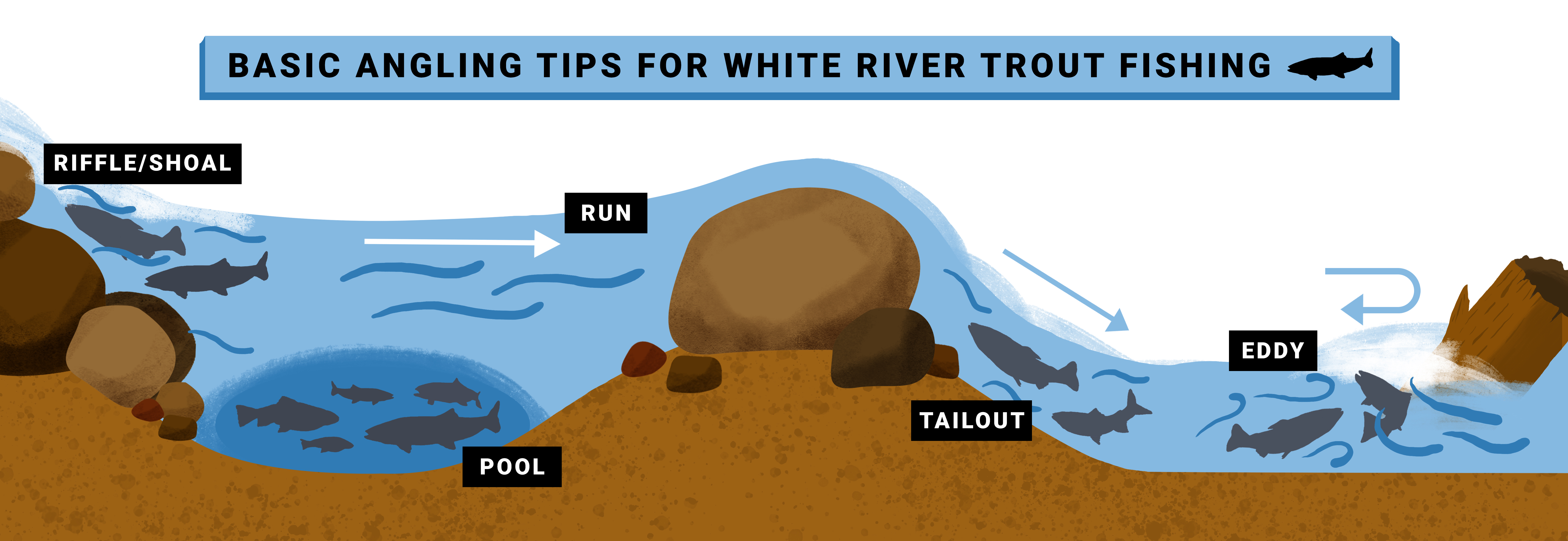
Developing some “stream sense” is another tactic that greatly enhances your knowledge of the White River and where its inhabitants hide out. There are certain areas along any given stretch of a stream or river that fish are drawn to because of important geographical features which often provide food, shelter, and abundant oxygen. Because of the current, trout will utilize bank edges and submerged structures (rocks and logs) to wait behind while natural food drifts by. Eddies, or places that cause the water to slow and change direction, are also areas where trout rest and feed on insects that have been trapped in these small pools. In addition, runs that occur following a rippling section (shoal) provide a place for trout to snatch food while remaining out of the main channel. Finally, on warmer days, deeper pools provide cooler temperatures and shelter, but because the water is not moving as fast, food sources are not as abundantly resupplied. Keep in mind that the White River levels can change daily, even hourly, and will create longer runs, wider bank edges, deeper pools, faster eddies, and stronger ripples as the amount of water increases (and vice versa with falling water).

Rigging Tactics
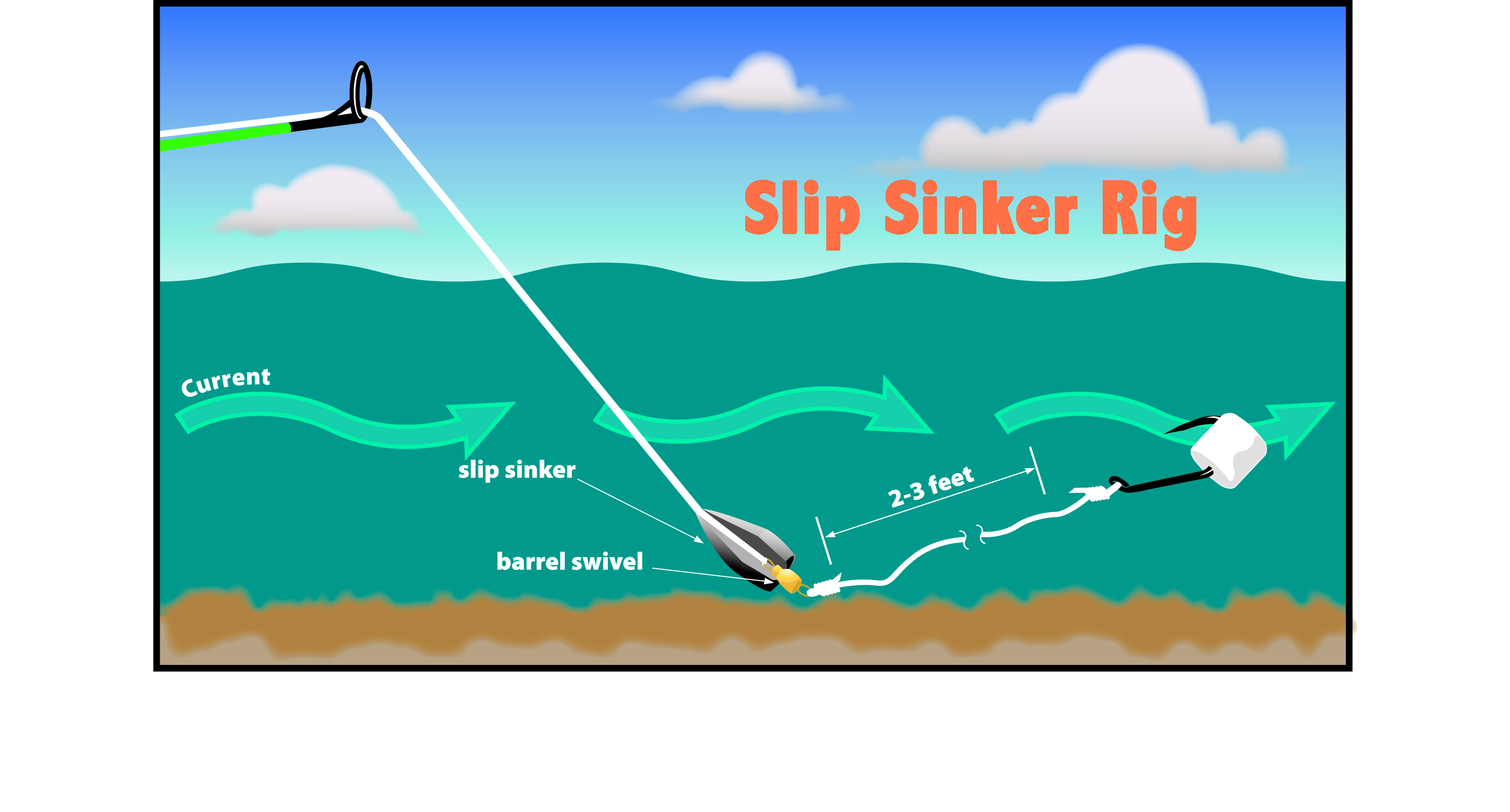
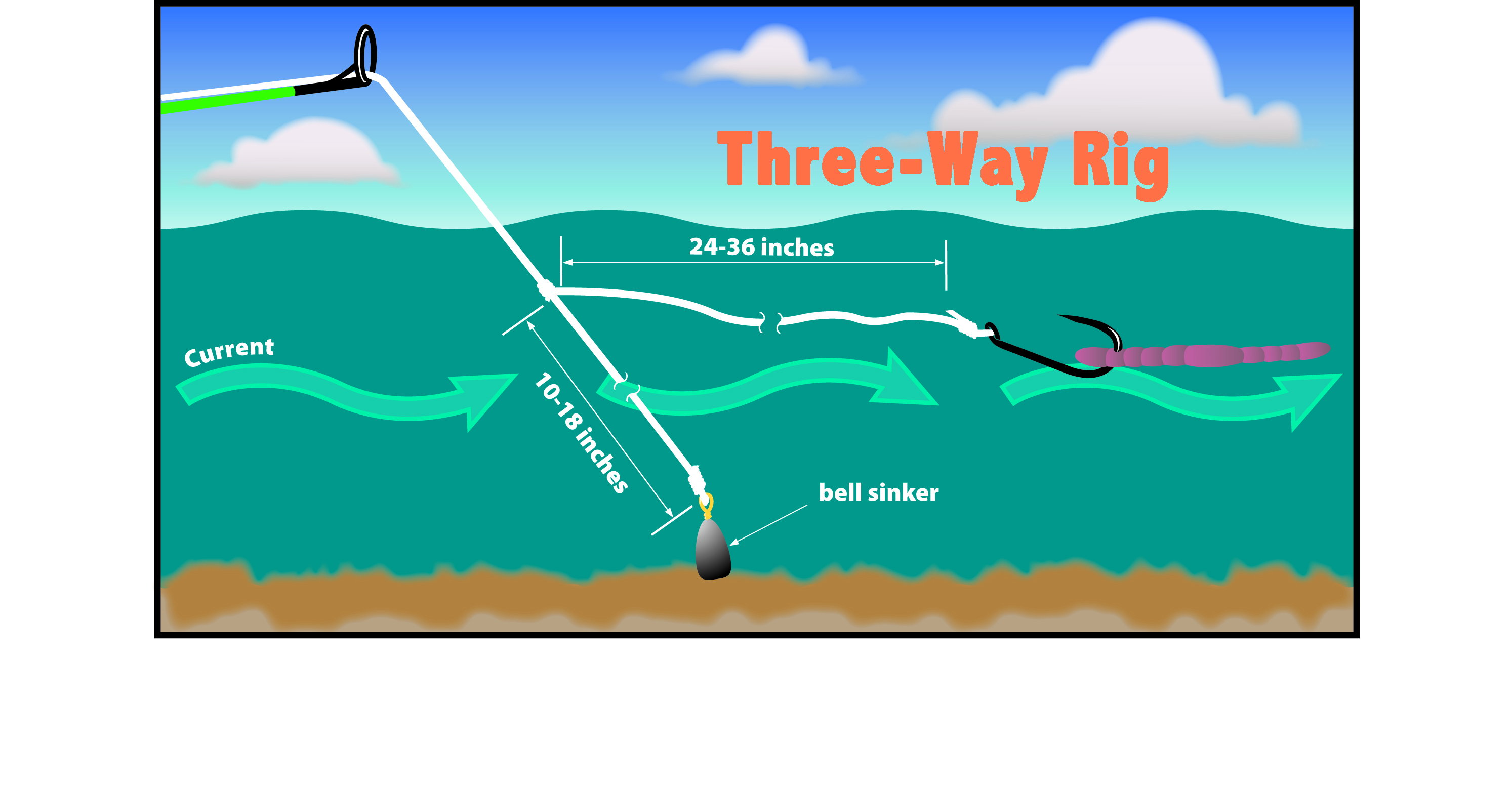
Now that we have discussed the water levels, trout behavior, and fishing pole setup, let’s consider how to stock your tackle box for a big catch. Determining how to rig your line properly is the first critical step when fishing the fluctuating waters of the White River. There are two popular bait fishing techniques: the slip sinker rig, and the three-way rig, that when combined with a variety of bait options, are optimal methods for trout fishing. Ultimately, both setups help to account for the water speed and depth.
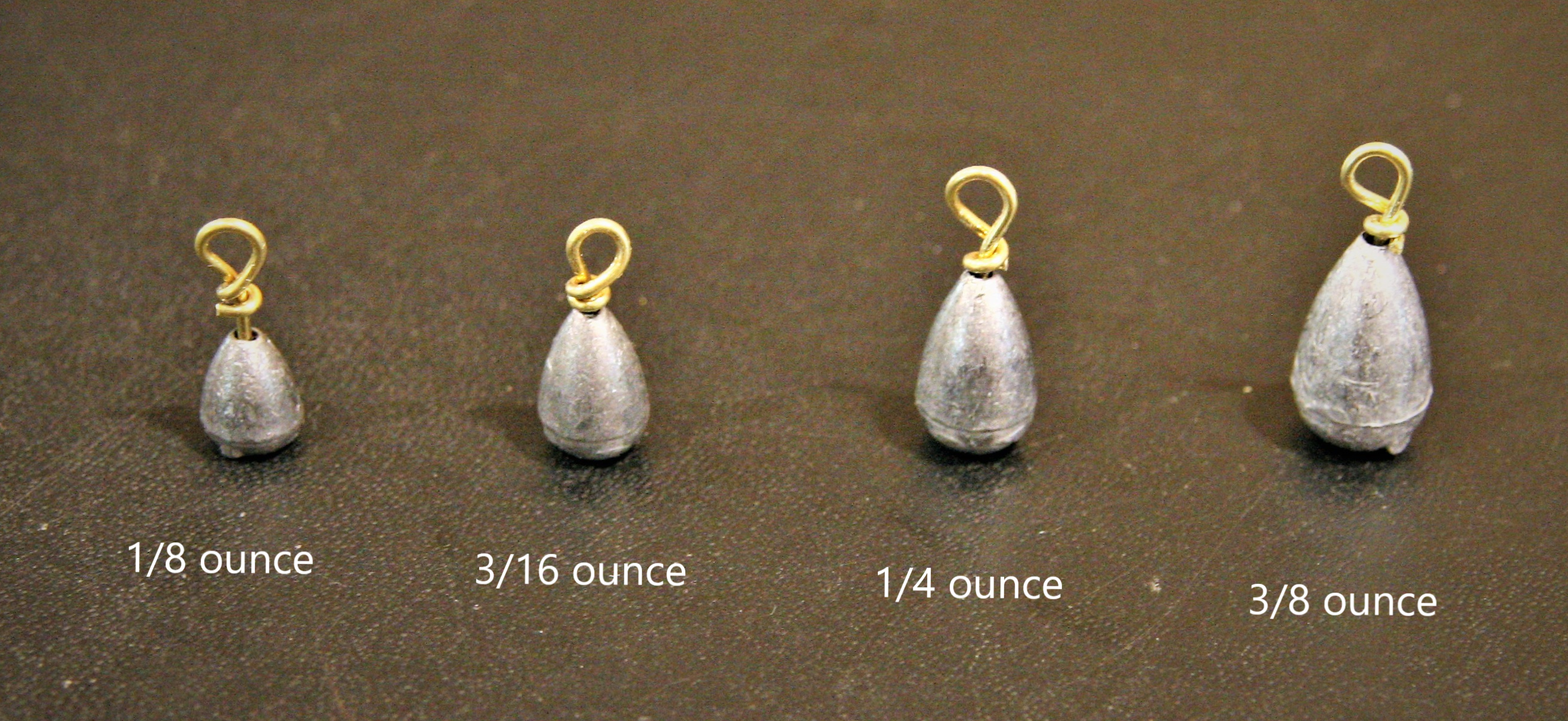
As a general rule of thumb, the more water that is flowing, the more weight is needed to appropriately mimic the natural baits that are drifting downstream. In both styles, the amount of sinker weight is adjusted so that the weight 1) provides enough resistance against the flow of the river in order for the bait to be spotted and 2) does not overcompensate in weight and cause the sinker to sit still, making the bait wave like a flag unnaturally in the current. Ideally, the sinker bounces along the bottom of the river, providing just enough allowance for the bait to be slowed and seen, but not stopped. As the water level rises and falls, sinker weight should be adjusted accordingly.
Illustrations courtesy of Arkansas Game and Fish Commission
Types of Bait and Lures
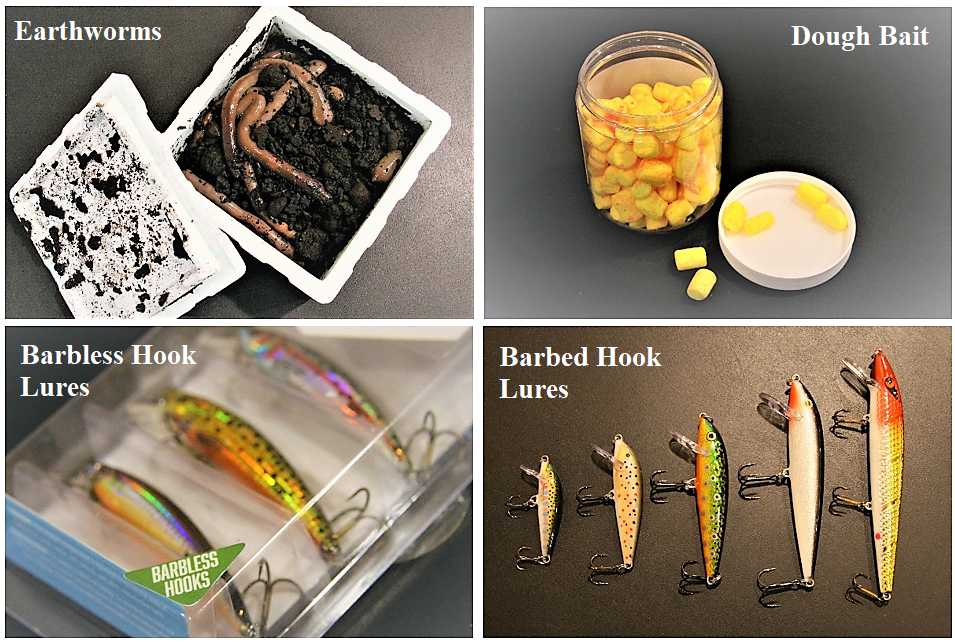
Obviously, how you choose to attract a fish to your hook goes hand-in-hand with your rigging setups, and you will need a variety of options in your tackle box. There are countless bait options when fishing for trout, and each choice will have its advantages and disadvantages depending on several factors: water clarity, temperature, level, desired depth, seasonal occurrences such as a specific insect hatch or shad kill, weather elements, and time of day. In addition, certain spots along the White River have regulations outlining the specifics of what anglers are allowed to use when fishing.
Having considered these details, some anglers choose to use natural and live bait, like earthworms, minnows, crayfish, sculpin, shrimp, and insect larvae. Prepared bait like scented PowerBait eggs, worms, and nuggets are also very popular and come in a variety of colors and textures. Artificial lures range in size, weight, display, function, and color pattern (spoons, spinners, crankbait, jigs, etc.), and generally try to mimic something natural looking – an insect on the water’s surface, the shiny flash of a shad, or a bottom-crawling crayfish.
Keep in mind that the size of your lure depends on the amount of water flowing through the dam into the river. In lower water, you should stick with smaller sized bait, while higher water usually necessitates larger bait. If are stumped on what to start with, ask around as many people rely on local knowledge for what is working along the White River at certain times of the year.
Your approach will need to be adjusted regularly because what works one day may not the next. Learning to experiment with different types of bait is part of the fun in getting that fish to snatch!